gabriel orozco
1962, Jalapa, Mexico
Working through drawing, photography, sculpture and installation, Orozco draws from everyday materials and circumstances, as well as from his own encounters and routines. He plays with ideas of accessibility, and his work revolves around recurrent themes and explores materials with multiplicity that allows the viewer to discover the unexpected links between different aspects of everyday life often overlooked or ignored. From the beginning of his career, Orozco’s nomadic lifestyle has affected both the production and aesthetic of his work. His lack of a primary ‘home base’ has lent a more fluid aspect to his production, allowing for the growth of a rich heteronomy of materials and themes marked by a conceptual openness to spontaneity and circumstance. However, it might be difficult to describe Orozco’s work in terms of a physical outcome – the artist is more interested in questions than statements, and emphasizes the potential within mutating materials, forms and meanings.
Gabriel Orozco was born in Jalapa in the Mexican state of Veracruz to an artistic left-wing family that moved to Mexico City during his childhood. He studied at Escuela Nacional de Artes Plásticas of the Universidad Nacional Autónoma de Mexico, UNAM (1981-1984) and at the Círculo de Bellas Artes in Madrid (1986-1987). From 1987 to 1992, he led the Taller de los viernes (Friday Workshop), at his home in Tlalpan, which became a nexus of discussion and artistic production to which Abraham Cruzvillegas, Gabriel Kuri, Dr. Lakra and Damián Ortega all participated.
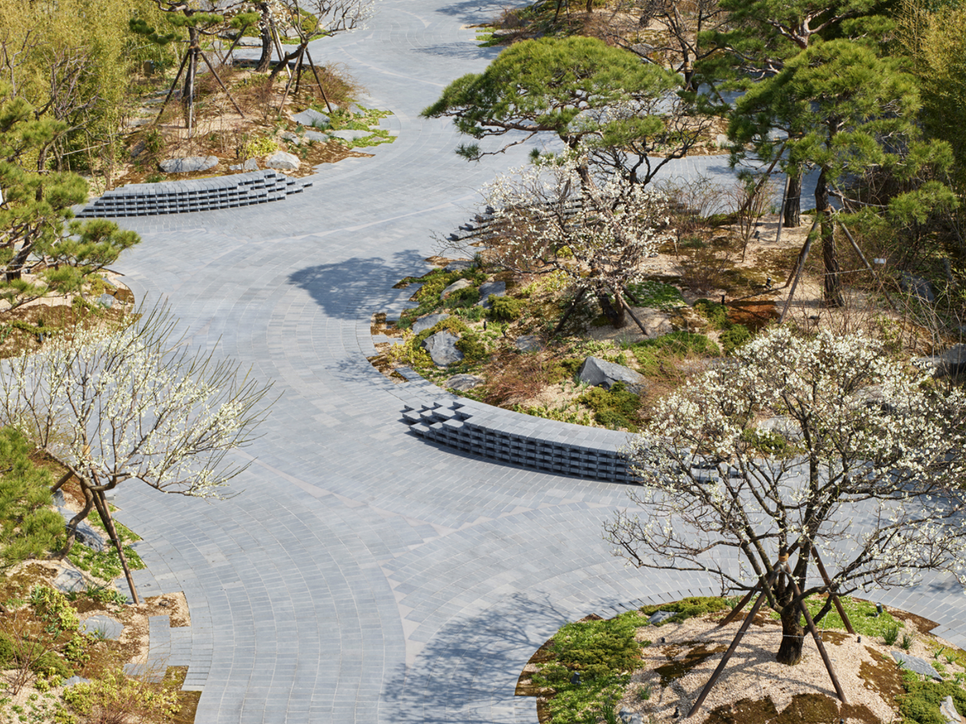
Orozco has been the recipient of numerous awards and distinctions. In 2025, he was decorated as Commander of the Ordre des Arts et des Lettres by the French Ministry of Culture, after having been named an Officier of the same order in 2012. He has received the REDCAT Award, Los Angeles (2015); the Americas Society Cultural Achievement Award (2014); and the BlueOrange Prize / Blauorange Kunstpreis from the Deutsche Volksbanken und Raiffeisenbanken (2006). In 2019, he was selected to design and coordinate the cultural project in Chapultepec Park in Mexico City. As part of this project, in February 2023, Orozco inaugurated the Calzada Flotante (Floating Causeway), a large-scale and public accessible pedestrian bridge.
Gabriel Orozco lives and works in Tokyo, Mexico City, New York and Paris.
sleeping dog, 1990
silver dye bleach print
20 x 16 in.
my hands are my heart, 1991
two silver dye bleach prints
9.13 x 12.5 in each
my hand is the memory of space, 1991
wooden ice cream spoons
variable dimensions
island whithin an island, 1993
silver dye bleach print
16 x 20 in.
yielding stone, 1992
digital print
15.98 x 20 in.
extension of reflection, 1992
digital print
15.98 x 20 in.
crazy tourist, 1991
digital print
16 x 20 in.
cats and watermelons, 1992
digital print
16 x 20 in.
la ds, 1993
modified citroën
55.16 x 189.96 x 45.31 in.
pinched ball, 1993
silver dye bleach print
16 x 20 in.
home run, 1993
oranges
variable dimensions
installation views of projects 41: gabriel orozco, museum of modern art, new york, 1993
empty shoe box, 1993
silver dye bleach print
16 x 20 in.
from roof to roof, 1993
silver dye bleach print
16 x 20 in.
four bicycles (there is always one direction), 1994
bicycles
77.99 x 87.99 x 87.99 in.
elevator, 1994
modified elevator cabin
95.98 x 95.98 x 60 in.
horses running endlessley, 1995
wood
3.38 x 34.38 x 34.38 in.
atomists: aspirilla, 1996
digital print
78.75 x 115 in.
ping-pond table, 1998
modified ping-pong table, water lilies, soil, stones and water
30 x 167.75 x 167.75 in.
working tables, 1991 - 2006
mixed media
variable dimensions
black kites, 1997
graphite on skull
8.5 x 5 x 6.25 in.
accelerated footballs, 2005
250 incised soccer balls
variable dimensions
carta blanca, 1999
rusty cans, beer labels, sand
variable dimensions
installation view of no. 91: gabriel orozco, portikus gallery, frankfurt, 1999
total perception, 2002
digital print
33.75 x 46.75 in.
cazuelas (beginnings), 2002
fired clay
variable dimensions
partial view of carlo scarpa's pensilina, made for the 26th venice biennale (1952), which served as the inspiration for shade between rings of air, which orozco presented at the 50th venice biennale (2003)
shade between rings of air, 2003
wood and metal
110.25 x 314.94 x 551.19 in.
mobile matrix, 2006
graphite on whale skeleton
77.19 x 428.75 x 104.75 in.
installation view at biblioteca vasconcelos, mexico city, 2006
mobile matrix, 2006
graphite on whale skeleton
77.19 x 428.75 x 104.75 in.
corteza de nopal con ojos de cristal, 2009
cactus, plastic eyes, pinewood base
variable dimensions
installation view of gabriel orozco, kurimanzutto, ciudad de méxico, 2009
brazos abiertos, 2009
cactus on pine wood base
110.91 x 117.64 x 43.31 in.
mapa estelar en árbol, 2009
graphite, calcium sulphate and animal glue on mango tree trunk
28.58 x 27.44 x 15.75 in.
solar graphite, 2006
graphite, calcium sulphate (plaster) and animal glue on cedar wood
21.85 x 21.85 in.
estructura tallada negra, 2009
graphite, calcium sulphate and animal glue on linen canvas
15.75 x 15.75 x 1.18 in.
samurai tree 6s, 2011
tempera and gold leaf on canvas
35.43 x 35.43 in.
samurai tree 1v, 2007
tempera and burnished gold leaf on linen canvas
29.53 x 29.53 x .98 in.
untitled (from the flag series), 2003
acrylic on cardboard
33.07 x 51.18 in.
installation view of the exhibition natural motion at the kunsthaus bregenz, austria, 2013
double axe, 2013
carved diorite river stone from the guerrero coast in mexico
8.66 x 16.14 x 10.43 in.
turtle rock, 2013
carved diorite riverstone from the guerrero coast in mexico
4.33 x 11.81 x 11.81 in.
sleeping dog, 1990
silver dye bleach print
20 x 16 in.
my hands are my heart, 1991
two silver dye bleach prints
9.13 x 12.5 in each
my hand is the memory of space, 1991
wooden ice cream spoons
variable dimensions
island whithin an island, 1993
silver dye bleach print
16 x 20 in.
yielding stone, 1992
digital print
15.98 x 20 in.
extension of reflection, 1992
digital print
15.98 x 20 in.
crazy tourist, 1991
digital print
16 x 20 in.
cats and watermelons, 1992
digital print
16 x 20 in.
la ds, 1993
modified citroën
55.16 x 189.96 x 45.31 in.
pinched ball, 1993
silver dye bleach print
16 x 20 in.
home run, 1993
oranges
variable dimensions
installation views of projects 41: gabriel orozco, museum of modern art, new york, 1993
empty shoe box, 1993
silver dye bleach print
16 x 20 in.
from roof to roof, 1993
silver dye bleach print
16 x 20 in.
four bicycles (there is always one direction), 1994
bicycles
77.99 x 87.99 x 87.99 in.
elevator, 1994
modified elevator cabin
95.98 x 95.98 x 60 in.
horses running endlessley, 1995
wood
3.38 x 34.38 x 34.38 in.
atomists: aspirilla, 1996
digital print
78.75 x 115 in.
ping-pond table, 1998
modified ping-pong table, water lilies, soil, stones and water
30 x 167.75 x 167.75 in.
working tables, 1991 - 2006
mixed media
variable dimensions
black kites, 1997
graphite on skull
8.5 x 5 x 6.25 in.
accelerated footballs, 2005
250 incised soccer balls
variable dimensions
carta blanca, 1999
rusty cans, beer labels, sand
variable dimensions
installation view of no. 91: gabriel orozco, portikus gallery, frankfurt, 1999
total perception, 2002
digital print
33.75 x 46.75 in.
cazuelas (beginnings), 2002
fired clay
variable dimensions
partial view of carlo scarpa's pensilina, made for the 26th venice biennale (1952), which served as the inspiration for shade between rings of air, which orozco presented at the 50th venice biennale (2003)
shade between rings of air, 2003
wood and metal
110.25 x 314.94 x 551.19 in.
mobile matrix, 2006
graphite on whale skeleton
77.19 x 428.75 x 104.75 in.
installation view at biblioteca vasconcelos, mexico city, 2006
mobile matrix, 2006
graphite on whale skeleton
77.19 x 428.75 x 104.75 in.
corteza de nopal con ojos de cristal, 2009
cactus, plastic eyes, pinewood base
variable dimensions
installation view of gabriel orozco, kurimanzutto, ciudad de méxico, 2009
brazos abiertos, 2009
cactus on pine wood base
110.91 x 117.64 x 43.31 in.
mapa estelar en árbol, 2009
graphite, calcium sulphate and animal glue on mango tree trunk
28.58 x 27.44 x 15.75 in.
solar graphite, 2006
graphite, calcium sulphate (plaster) and animal glue on cedar wood
21.85 x 21.85 in.
estructura tallada negra, 2009
graphite, calcium sulphate and animal glue on linen canvas
15.75 x 15.75 x 1.18 in.
samurai tree 6s, 2011
tempera and gold leaf on canvas
35.43 x 35.43 in.
samurai tree 1v, 2007
tempera and burnished gold leaf on linen canvas
29.53 x 29.53 x .98 in.
untitled (from the flag series), 2003
acrylic on cardboard
33.07 x 51.18 in.
installation view of the exhibition natural motion at the kunsthaus bregenz, austria, 2013
double axe, 2013
carved diorite river stone from the guerrero coast in mexico
8.66 x 16.14 x 10.43 in.
turtle rock, 2013
carved diorite riverstone from the guerrero coast in mexico
4.33 x 11.81 x 11.81 in.
Orozco has had solo exhibitions at institutions such as The Museum of Contemporary Art, Los Angeles, California (2000), The Serpentine Gallery, London (2004), the Museo del Palacio de Bellas Artes, Mexico (2006), the Guggenheim Museum, New York (2012), and a major retrospective which traveled from the Museum of Modern Art (MoMA), New York, to the Kunstmuseum Basel, Switzerland, the Centre Pompidou, Paris, and the Tate Modern, London (2009-2011). Most recently his work has been presented at Museo Jumex, Mexico City (2025); Winsing Art Place, Taipei, Taiwan (2024); Aspen Art Museum, Colorado (2016), the Museum of Contemporary Art Tokyo (MOT), Tokyo, Japan (2015) and the Moderna Museet, Sweden (2014).
Orozco’s work has also been featured in group exhibitions at institutions such as Museo Tamayo, Mexico City (2025); San Francisco Museum of Modern Art (SFMOMA) (2024); Black Mountain College Museum + Arts Center, Asheville, North Carolina (2023); V&A South Kensington, London (2023); Kunsthalle Praha, Prague, Czech Republic (2023); Fundación Juan March, Madrid (2023); Museo de Arte Contemporáneo de Monterrey (MARCO), Mexico (2023); Museo Jumex, Mexico City (2023, 2021); Long Museum, Shanghai, China (2022); Museum of Contemporary Art Chicago (MCA Chicago) (2020); Rockbund Art Museum, Shanghai, China (2018); Palais de Tokyo, Paris (2017); Kunstmuseum Basel, Switzerland (2016); Solomon R. Guggenheim Museum, New York (2015); Whitechapel Gallery, London (2015); Centre Pompidou, Paris (2014); New Museum, New York (2013); Modern Art Museum of Fort Worth, Texas (2013); Kunstmuseum Bonn, Germany (2011); Museo Universitario de Arte Contemporáneo (MUAC), Mexico City (2011); The Metropolitan Museum of Art (The Met), New York (2010); Stedelijk Museum Amsterdam (2009); Museo Nacional de Arte (MUNAL), Mexico City (2008); and Tate Modern, London (2003), among many others.
In 2003 he was curator of the collective exhibition Il Quotidiano Alterato as part of the 50th Venice Biennale. He has participated in the Venice BIennale several times (2017, 2005, 2003, and 1993) and in Documenta (2002 and 1997). His work has been the subject of more than 25 monographs in different languages.
Read the full review on Gabreil Orozco's Retrospective at the MoMA: Range, Power and Beauty at ArtCulture Magazine.
Read the full review on Gabriel Orozco's notebooks at The MIT Press Reader.
Carlos Amorales, Gabriel Orozco, Damián Ortega, and Minerva Cuevas are participating in the exhibition "cien del MUAC".
kurimanzutto is proud to announce the group exhibition: Normal Exceptions: Contemporary Art in Mexico in Museo Jumex in which Abraham Cruzvillegas, Daniel Guzmán, Damián Ortega, Eduardo Abaroa, Gabriel Kuri, Gabriel Orozco, Iñaki Bonillas, and Miguel Calderón participate.
We are thrilled to be a part of this new gallery-led initiative - an online community of 50+ galleries dedicated to art from the Global South and its diaspora.
kurimanzutto is proud to participate in Art Basel OVR: Miami Beach 2020 featuring a selection of works by: Gabriel Orozco, Nairy Baghramian, Haegue Yang, Jimmie Durham, Damián Ortega, Abraham Cruzvillegas, Carlos Amorales, Roberto Gil de Montes, Wilfredo Prieto, Miguel Calderón.
On the Razor’s Edge is an international exhibition that brings together works within four thematic sections: migration and liberty; the human body; its environment; and the irrepressible and forever incomplete passage of time.
Orozco’s Obi Scrolls were fashioned by incising, rotating, and reversing sections of fragments of antique kimono sashes (obi). The results were then mounted on scrolls as paintings, converting conventions of wrapping into explicit content.
The creative poetry of Gabriel Orozco is the museum's international proposal for the programming of the 13th Bienal de La Havana.